What Is an Enlarged Prostate?
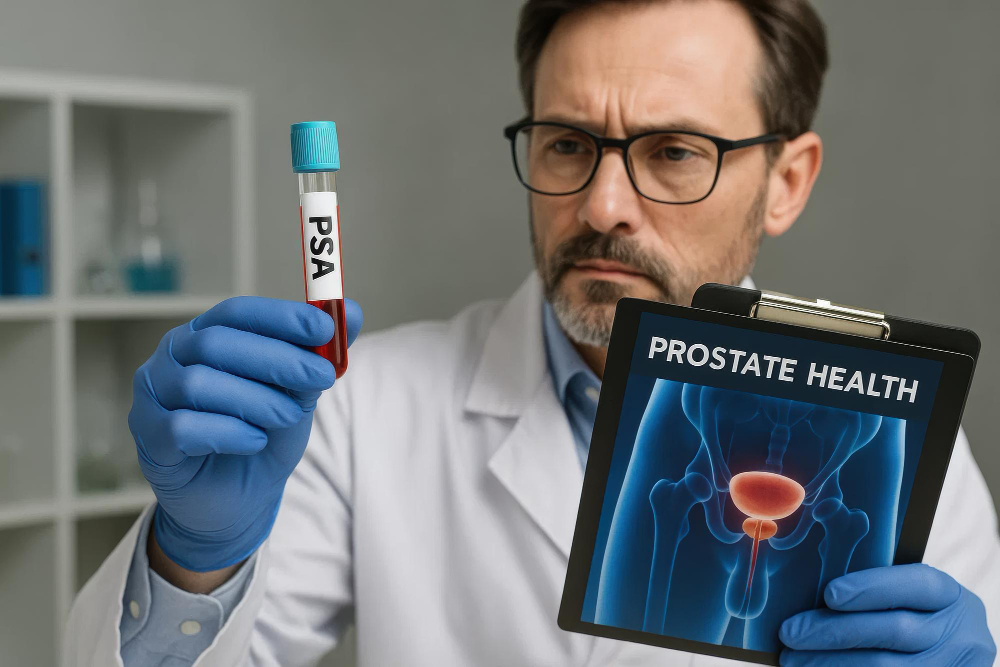
An enlarged prostate is a common condition in men as they age. The prostate is a small gland below the bladder. It helps make fluid for semen. When the prostate grows larger, it can press on the urethra. This tube carries urine out of the body. Because of this, men may notice changes in how they urinate. Doctors often call this condition benign prostatic hyperplasia, or BPH. Although BPH is not cancer, it can cause bothersome symptoms. Early attention to prostate health can help prevent problems.
Common Symptoms of an Enlarged Prostate
Many men with an enlarged prostate have mild or no symptoms. However, some may notice changes that affect daily life. For example, you may experience:
Because these symptoms can also be caused by other issues, it is important to pay attention. If you notice any of these signs, consider talking to a doctor.
Causes and Risk Factors
As men get older, the chance of having an enlarged prostate increases. While the exact cause is not fully known, several factors may play a role. For instance, hormone changes with age can lead to prostate growth. Other risk factors include:
Because some risk factors can be changed, healthy habits may help lower your risk.
When Should You See a Urologist?
It is normal for the prostate to grow with age. However, you should see a urologist if you notice:
Additionally, if symptoms disrupt your sleep or daily life, seek medical advice. Early evaluation can help prevent complications. According to the CDC, untreated BPH can lead to bladder or kidney problems. Therefore, do not ignore ongoing symptoms.
Diagnosis and Evaluation
When you visit a urologist, they will ask about your symptoms and medical history. Next, they may perform a physical exam. Common tests include:
Because these tests help rule out other problems, they are important for proper care. Your doctor will explain each step and answer your questions.
Treatment Options
Treatment for an enlarged prostate depends on your symptoms and health. Sometimes, mild cases need only regular check-ups. However, if symptoms are bothersome, options may include:
Because each person is different, your doctor will help choose the best plan. According to the American Urological Association, most men find relief with treatment.
Lifestyle Tips and Prevention
While you cannot prevent all prostate problems, healthy habits may help. For example, you can:
Because these steps support overall health, they may also benefit your prostate.
Frequently Asked Questions
Is an enlarged prostate the same as prostate cancer?
No, an enlarged prostate (BPH) is not cancer. However, both can cause similar symptoms. Therefore, it is important to see a doctor for proper diagnosis.
Can young men get an enlarged prostate?
It is rare in men under 40. Most cases occur in men over 50. However, if you have symptoms, see a doctor regardless of age.
Will an enlarged prostate go away on its own?
Usually, the prostate does not shrink without treatment. But, mild symptoms may not need active treatment right away.
Conclusion
In summary, an enlarged prostate is common and treatable. Early attention to symptoms can help prevent problems. If you notice signs like frequent urination or weak flow, do not wait. Consult a urologist Dr Nuthalapati Venkata Naga Praneeth for personalized advice and care. Your prostate health matters.