What Is Robotic Cystectomy?
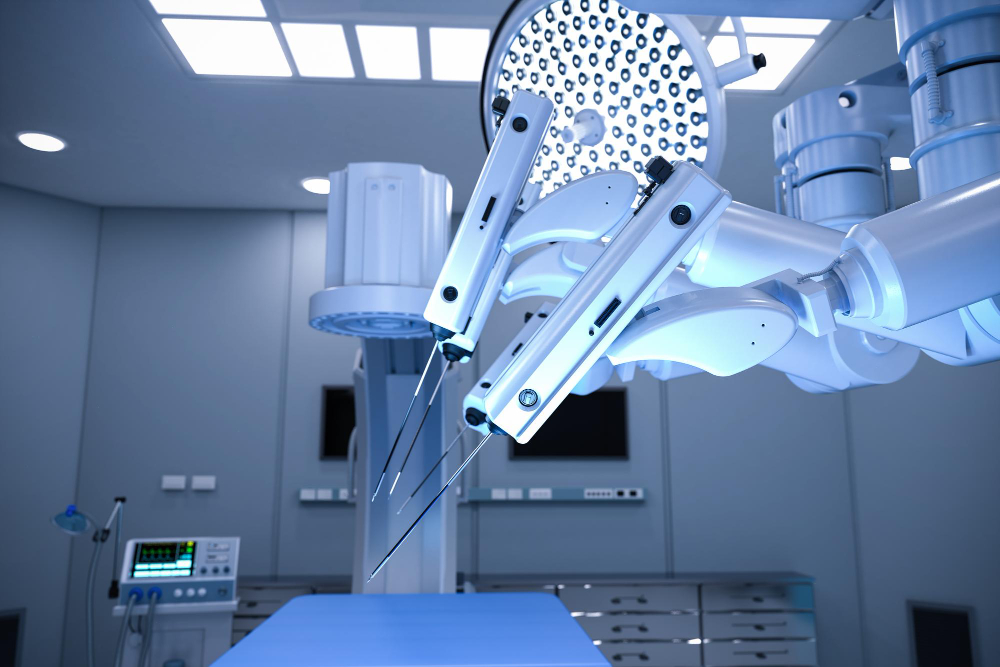
Robotic cystectomy for bladder cancer is a type of surgery that removes the bladder using robotic tools. This advanced robotic surgery for bladder cancer is a minimally invasive procedure. It uses small cuts and special robotic arms controlled by a surgeon. As a result, many people experience less pain and a quicker recovery. The robotic system gives the surgeon a clear, magnified view of the area. Therefore, it helps the doctor work with great precision. According to the World Health Organization, bladder cancer is a common cancer worldwide. For some patients, removing the bladder is the best treatment option.
How Does Robotic Cystectomy Differ from Traditional Surgery?
Traditional bladder removal surgery, also called open cystectomy, uses a large cut in the lower belly. In contrast, robotic cystectomy uses several small cuts. The surgeon sits at a console and controls robotic arms. Because of this, the surgeon can move tools with more accuracy. Additionally, the robotic camera gives a three-dimensional view. This makes it easier to see tiny details. Compared to open surgery, robotic cystectomy often leads to:
However, both surgeries aim to remove all cancer from the bladder.
Indications for Robotic Cystectomy in Bladder Cancer
Doctors may suggest robotic cystectomy for bladder cancer in certain cases. Usually, this surgery is recommended when:
Sometimes, robotic cystectomy is also used for certain non-cancer bladder problems. Yet, it is most often performed for bladder cancer.
Step-by-Step Overview of the Robotic Cystectomy Procedure
First, the patient receives anesthesia to sleep during the operation. Next, the surgeon makes several small cuts in the belly. Through these cuts, robotic arms and a camera are inserted. The surgeon controls the robotic system from a nearby console. During the procedure, the bladder is carefully separated from nearby tissues. If needed, nearby lymph nodes are also removed. In many cases, the surgeon creates a new way for urine to leave the body. This is called urinary diversion. After all steps are complete, the small cuts are closed.
Benefits and Potential Risks of Robotic Cystectomy
Robotic cystectomy offers many benefits. For example, it is a minimally invasive bladder cancer surgery. As a result, patients often have:
Despite these advantages, there are also risks. Like any surgery, robotic cystectomy can cause:
Therefore, it is important to discuss all risks and benefits with your doctor. The Centers for Disease Control and Prevention notes that surgical risks can vary based on age and health.
Recovery Process and Post-Surgical Care
After robotic cystectomy, most patients stay in the hospital for a few days. During this time, doctors and nurses watch for any problems. Once home, patients should follow all care instructions. For example, it is important to keep the surgical area clean. Patients may need help with the new way urine leaves the body. Eating healthy foods and drinking enough water can help healing. Walking and gentle movement are encouraged to prevent blood clots. However, heavy lifting should be avoided until the doctor says it is safe. Regular follow-up visits are needed to check recovery and watch for cancer returning.
Prevention and Lifestyle Guidance After Surgery
After robotic cystectomy for bladder cancer, healthy habits can support recovery. For instance, quitting smoking lowers the risk of new cancers. Eating a balanced diet helps the body heal. Staying active, as allowed by your doctor, can build strength. It is also important to attend all medical appointments. If you notice any unusual symptoms, such as fever or pain, contact your healthcare team right away. The American Cancer Society suggests regular check-ups and healthy living to reduce future cancer risks. With good care, many people adjust well after surgery and return to daily life. Consult Dr. Nuthalapati V N Praneeth.