Introduction
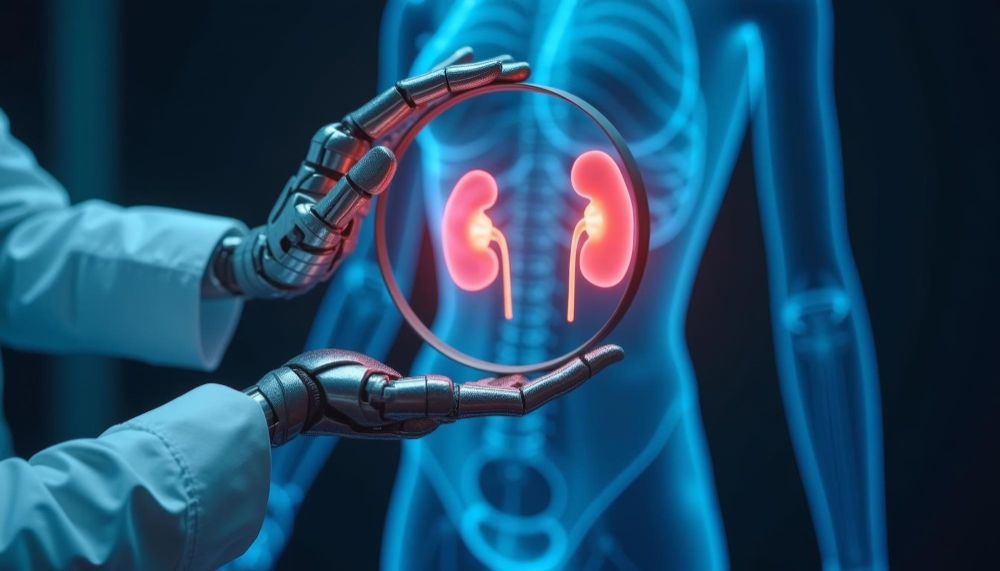
Today, precision meets innovation with robotic urology surgery. This advanced approach uses robotic-assisted urology procedures to treat many conditions. As a result, patients benefit from minimally invasive urology surgery and advanced urological care. More hospitals now offer these options, making treatment safer and faster. In this blog, you will learn how robotic surgery works, its benefits, and what to expect.
What is Robotic Urology Surgery?
Robotic urology surgery is a modern way to treat problems in the urinary system. Instead of large cuts, doctors use small tools and a robot system. The surgeon controls the robot from a console nearby. Because of this, the robot helps the doctor move with great accuracy. Common robotic systems include the da Vinci Surgical System. These systems are used worldwide for many urology procedures.
How Does Robotic Surgery Improve Precision?
Robotic surgery gives doctors better control and vision. For example, the robot’s arms can move in ways a human hand cannot. In addition, the camera gives a clear, 3D view inside the body. This means doctors can see tiny details and avoid healthy tissue. As a result, the surgery is more precise and gentle. According to the National Institutes of Health, robotic surgery reduces errors and improves outcomes for many patients.
Key Innovations in Robotic Urology
Many new features make robotic urology surgery stand out. For instance, some systems offer:
Because of these innovations, doctors can perform complex surgeries with more confidence and safety.
Benefits for Patients
Robotic-assisted urology procedures offer many patient benefits. For example, you may notice:
In fact, studies in peer-reviewed journals show that patients recover faster and have fewer problems compared to open surgery. Therefore, many people choose robotic surgery for urology care.
Common Procedures Performed
Doctors use robotic surgery for many urology problems. Some common procedures include:
Because robotic surgery is so precise, it is often used for delicate or complex cases.
Safety, Risks, and Recovery
Robotic urology surgery is very safe when done by trained doctors. However, like any surgery, there are some risks. For example, you may have bleeding, infection, or reactions to anesthesia. But, these risks are lower than with open surgery. Most patients recover quickly. In fact, many return home the next day. You should follow your doctor’s advice for the best results. According to the World Health Organization, robotic surgery has a high safety record worldwide.
Future of Robotic Urology Surgery
Robotic urology surgery continues to improve each year. New robots are becoming smaller and smarter. Soon, more hospitals will offer these surgeries, even in smaller cities. As technology grows, patients will have even safer and faster options. Because of ongoing research, the future looks bright for advanced urological care.
Frequently Asked Questions (FAQ)
Conclusion
Precision meets innovation with robotic urology surgery. This advanced approach offers enhanced accuracy and supports safer, more effective treatment for various urological conditions. Consult Dr Nuthalapati Venkata Naga Praneeth for expert evaluation, personalized urology care, and guidance on whether robotic-assisted surgery is the right treatment option for you.