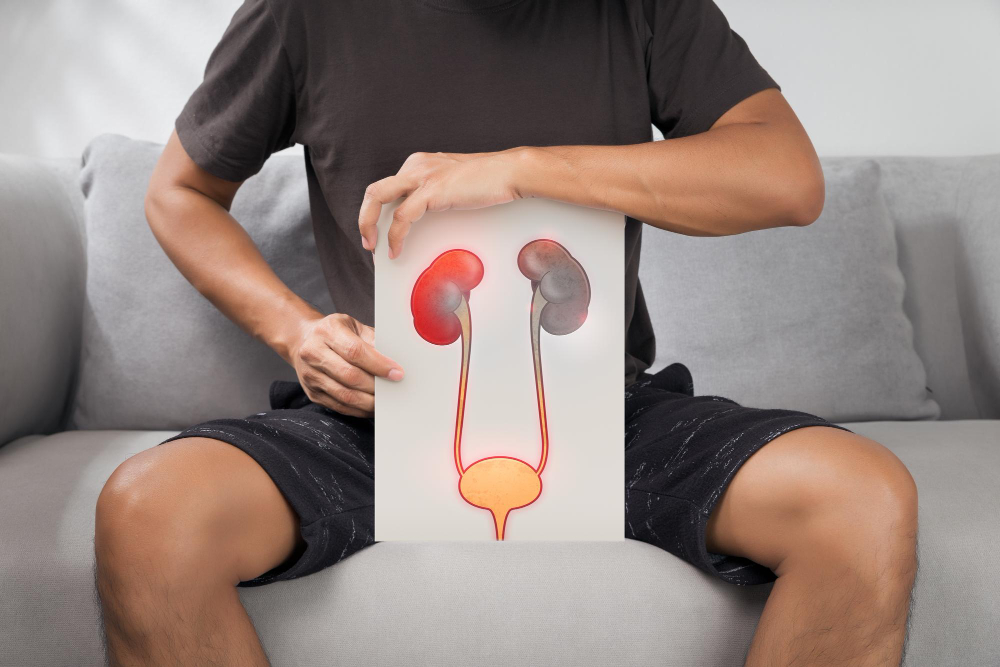
What is Urethral Stricture?
Urethral stricture is a health problem where the urine passage becomes narrow. The urethra is the tube that carries urine from the bladder out of the body. When this tube gets tight or blocked, it can make urination hard. For many people, this narrowing of the urine passage can cause discomfort and other urinary symptoms. According to the World Health Organization, urethral stricture can affect both men and women, but it is more common in men.
Common Symptoms
People with urethral stricture often notice changes when they urinate. Sometimes, symptoms appear slowly. Other times, they start suddenly. Common signs include:
Because these symptoms can also happen with other conditions, it is important to see a doctor if you notice them.
Causes and Risk Factors
Many things can lead to urethral stricture. For example, injury or infection may damage the urethra. Sometimes, medical procedures that use tubes or instruments in the urine passage can cause scarring. The Centers for Disease Control and Prevention (CDC) notes that sexually transmitted infections may also increase risk. Common causes of urethral stricture include:
Although anyone can develop this condition, men over age 50 are at higher risk.
How Urethral Stricture is Diagnosed
Doctors use several tests to check for urethral stricture. First, they ask about symptoms and medical history. Next, they may do a physical exam. Because symptoms can be like other urinary problems, tests help confirm the cause. Common tests include:
With these tests, doctors can find the location and length of the narrowing.
Treatment Options
Treatment for urethral stricture depends on how severe the narrowing is. In mild cases, doctors may suggest simple steps. However, more serious cases may need surgery. Common treatment options include:
Doctors will choose the best treatment based on each person’s needs. According to peer-reviewed medical journals, early treatment can help prevent problems like infections or kidney damage.
Lifestyle Tips and Management
After treatment, daily habits can help manage symptoms and support healing. For instance, drinking enough water helps keep urine flowing. In addition, avoiding holding urine for too long can reduce pressure on the bladder. Other helpful tips include:
Because some people may have a stricture return, regular check-ups are important.
Prevention Strategies
While not all causes of urethral stricture can be prevented, some steps can lower risk. For example, practicing safe sex can help prevent infections. If you need a catheter, make sure it is used and cleaned properly. Other prevention tips include:
With these steps, you can help protect your urinary health and reduce the chance of developing a narrowing of the urine passage.
Take the first step towards better health. Book your consultation today.