Why Urology Checkups Matter for Men
Many men may not think about urology checkups men should not delay until they notice symptoms. However, regular visits help catch problems early. For example, the CDC and WHO note that early detection can prevent serious issues. Urology deals with the urinary tract and male reproductive organs. Because of this, checkups can spot problems like prostate cancer, kidney stones, or infections before they get worse. In addition, regular care supports long-term men’s health and well-being.
Key Urology Checkups Every Man Should Consider
Some urology checkups are important for men at different ages. For instance, after age 40, risk for certain conditions rises. Therefore, doctors may suggest these common tests:
Depending on your age and health, your doctor may recommend more tests. In many cities, local urology clinics offer these services for men’s preventive care.
Common Symptoms That Signal the Need for a Urology Visit
Sometimes, symptoms can be easy to ignore. Yet, certain signs mean you should see a urologist soon. For example, watch for:
Moreover, if you notice changes in sexual function, like trouble getting or keeping an erection, talk to your doctor. Early care can prevent bigger problems later.
What to Expect During a Urology Checkup
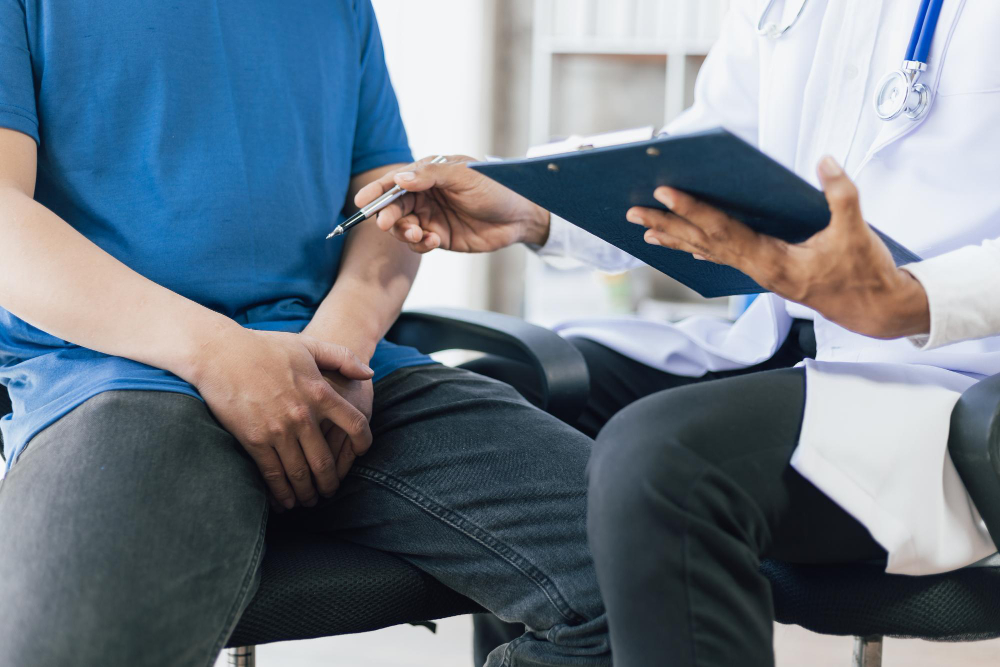
Many men feel nervous before a urology checkup. Still, knowing what to expect can help. Usually, the doctor will ask about your symptoms and medical history. Next, you may have a physical exam. For some men, this includes a prostate or testicular exam. Sometimes, you will need to give a urine sample. In addition, your doctor may order blood tests or an ultrasound. Most visits are quick and painless. If you have questions, do not hesitate to ask your urologist.
How Often Should Men Schedule Urology Checkups?
How often you need a urology checkup depends on your age and health. For example, men over 50 should get a prostate exam every year, according to the American Urological Association. However, if you have a family history of prostate or kidney problems, you may need to start earlier. In some locations, local guidelines may differ. Therefore, ask your doctor for advice based on your personal risk factors. Even if you feel healthy, regular checkups are key for preventive care.
Tips for Preparing for Your Urology Appointment
Preparing for your urology checkup can make the visit smoother. Here are some helpful tips:
Additionally, arrive early to fill out any forms. Being ready helps you get the most from your appointment.
Preventive Measures for Urological Health
Besides regular urology checkups men should not delay, healthy habits support your urinary and reproductive health. For example, you can:
Furthermore, talk to your doctor about any family history of urological problems. Early action and healthy choices can help you avoid many common issues. Consult Nuthalapati V N Praneeth for diagnosis and treatment.